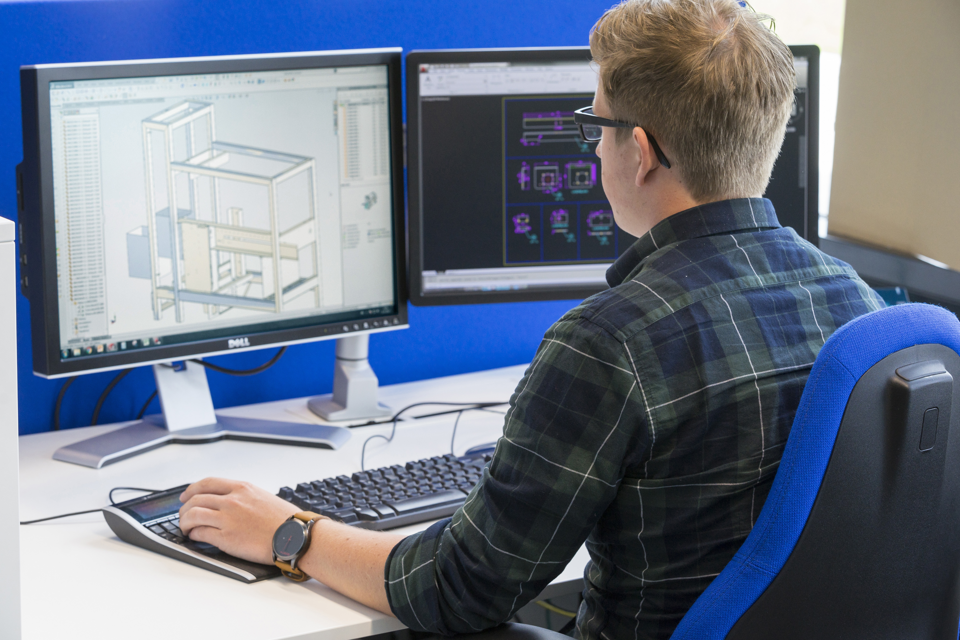




Combating Mental Fatigue and Cognitive Overload on the Manufacturing Floor

In our series on workplace safety for National Safety Month, we’ve discussed how the ergonomics of a workstation can impact physical health and why it’s important to measure air quality to eliminate the silent hazards that could get your workers sick. But there is another critical hazard that doesn’t always show up on a traditional safety checklist: mental fatigue.
In fast-paced manufacturing environments, operators must make quick decisions and deal with a stream of data and alerts. More than 43% of U.S. workers are also sleep-deprived, which leads directly to delayed reaction times and reduced situational awareness on the plant floor. When cognitive overload sets in, safety risks and quality issues rise.
We sat down with BPA’s Safety Team to look at this challenge from two angles. This guide examines how to build a positive, supportive workplace environment where all mental health concerns are heard, and how we engineer our secondary packaging systems for manufacturing companies to physically reduce that mental load for their operators and technicians.
What This Guide Covers:
- How to identify the red flags of mental fatigue on your floor before they lead to an incident.
- How intuitive machine interface design drastically reduces worker anxiety and cognitive load.
- Engineering choices that prevent alarm fatigue and let machines work quietly in the background.
- Three ways floor managers can reduce everyday workplace stressors and support a strong psychosocial safety culture.
Spotting the warning signs of cognitive overload
Unlike a physical hazard, you don’t often see mental fatigue explicitly, but it is easy to see its symptoms if you know what to look for.
- Process Shifts: Skipped procedures or an unusual spike in repeated errors on routine tasks.
- Delayed Problem Solving: Slower troubleshooting or visible paralysis when making simple operational decisions.
- Task Management: Difficulty prioritizing tasks or managing normal floor interruptions under pressure.
- Behavioral Changes: Inability to focus, heightened irritability, or uncharacteristic forgetfulness.
When an operator is pushed past their mental limit, their attention narrows and their reaction times slow down. In safety-critical environments, these subtle warning signs could be the canary in the coal mine before a major incident occurs.
Making HMIs less burdensome on cognition
If a stressful culture strains an operator's mind, a poorly designed machine interface can push them over the edge. In machine design, engineers have a lot of power to reduce cognitive overload in daily workflows. One contributor to mental fatigue for operators is an overly complex Human Machine Interface (HMI). A high-speed line paired with crowded screens, inconsistent controls, and non-stop alarms forces operators to work harder mentally just to maintain basic awareness.
To counter this, BPA’s engineering team prioritizes intuitive, streamlined HMI design.
From the BPA Safety Team: “By incorporating clear step-by-step instructions, consistent color coding, and highly visible alerts—like pop-up STOP warnings during critical changes—we help ensure operators always know what action to take. The goal is simple: make safety obvious.”
This design philosophy is especially crucial today, as operators frequently step up to machines they may not be deeply familiar with. By removing the guesswork, the interface reduces human error and creates a more confident, secure user experience.
Machine design practices for thinking ahead
While software keeps the operator calm and informed, the physical hardware of the machine must do its part to reduce physical and mental exhaustion. Innovations should automate the tedious, repetitive double-checks that wear a person down over an eight-hour shift.
Think about a standard changeover or line stoppage. In traditional setups, a worker has to manually track multiple moving parts and remember precise alignment sequences under intense time pressure. That level of hyper-vigilance is a fast-track to cognitive overload.
BPA engineers secondary packaging machinery to absorb those mental burdens over the course of a worker’s shift:
Automated, Repeatable Changeovers
With pre-programmed recipes and streamlined mechanical adjustments, our machines minimize the manual guesswork required for different case or pack sizes. This reduces the operator's need to memorize complex setup measurements.
Intuitive Infeed and Flow Management
Our case packers and loaders are designed with open, visible product paths and automatic jam detection. Instead of forcing an operator to constantly scan the line for downstream issues, the machine manages product flow smoothly and alerts the operator exactly where attention is needed.
Simplified Mechanical Maintenance Access
By designing machines with clear, unobstructed access points, the physical act of clearing a minor stoppage requires far fewer mental steps and troubleshooting headaches under pressure.
From the BPA Safety Team: “People perform best when technology works quietly in the background. If workers are flooded with dashboards, alarms, and updates, automation can actually increase mental fatigue.”
Building a culture of trust and well-being on the floor
Cognitive load builds quietly over the course of an eight-hour shift. Operators are adapting to live changes, solving unexpected problems, and managing routine interruptions. Having established psychosocial safety principles on the floor can help alleviate some of the stress.
According to the National Association of Safety Professionals (NASP), building a strong psychosocial safety climate is all about creating an environment where employees are less afraid of the consequences of making a mistake, sharing an opinion, or asking for help.
When a workplace culture defaults to casting blame, workers hide their mistakes, which only makes the floor more dangerous. Managing this mental fatigue is an everyday opportunity for floor managers. Our experts suggest three ways leaders can protect their team's mental energy daily:
- Reduce Uncertainty and Build Trust: Managers who are clear help preserve mental energy, which leads to better performance and lower burnout over time. NASP recommends leaders own up to their own mistakes to show the team it is safe to do the same.
- Encourage Micro-Breaks and Reduce Information Overload: Our Safety Team suggests helping operators manage their shifts by simplifying mental tasks, utilizing clear to-do lists, and limiting unnecessary information intake during high-stress moments. Even short, frequent breaks allow for a quick mental reset to break up repetitive or monotonous work.
- Actively Seek Feedback to Reduce Stigma: The Safety Team also recommended that managers meet with employees often to discuss expectations. Managers should be ready to listen to concerns about specific everyday stressors impacting mental health. Proactively asking for input makes workers feel valued and safe to speak up before burnout and injury.
Wrapping up
You don't need to be a machine engineer to protect your team from cognitive overload; that’s why you partner with BluePrint Automation. By pairing supportive leadership with machinery that eliminates guesswork, you build a safety net that keeps your team sharp, focused, and safe.
Contact us today to learn more about BPA secondary packaging systems, like our case packers and vision-guided robotics, and how they are designed to reduce cognitive overload.