



Secondary packaging rarely follows a standard approach. At BluePrint Automation, we’ve engineered case packing systems that range from high-speed drop packing to complex, multi-axis robotic handling.
Each application brings a different set of challenges, and the right choice depends on more than upfront cost. Floor space, labor availability, long-term flexibility, and the physical characteristics of the product all play a role in selecting the right technology.
Two of the most frequently compared technologies in our lineup are gravity case packers and gantry-style case packers. While both are engineered to provide turnkey secondary packaging, they operate very differently and are best suited for certain products and applications.
We’ll compare both types of case packers in this guide to help customers get a better understanding of how they work and where they thrive. Topics we will cover include:
- Why gravity case packers are great for free-flowing bags and some high-speed applications
- How gantry-style case packers are engineered for flexible pick and place loading
- Factors to consider when calculating the ROI for each system
- What a co-packer should review when comparing these durable case packing systems
Gravity case packers for reliable, high-speed packing
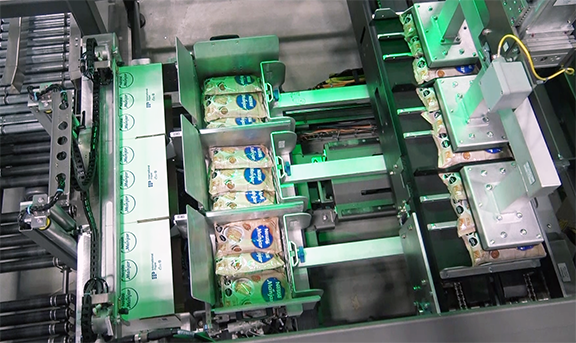
The gravity case packer is a workhorse. It is designed to top-load flat-packed products into cases with a simple, repeatable motion. By utilizing the natural force of gravity, this machine minimizes the need for complex robotic arms, making it an incredibly efficient choice for certain applications.
How It Operates
On a BPA gravity case packer, the process is streamlined for speed. The product enters the system on a conveyor belt depending on the rate of throughput desired.
- For slower speeds: A single bag drop transfers product directly to the rotary gates.
- For high speeds: A two-belt collation system pools products together, which then enter the rotary gates as a single group.
Once the product is positioned, the gates rotate at high speed, dropping the row or layer of product directly into the case. To ensure the product settles tightly and stays within the case dimensions, a vibratory conveyor is integrated into the loading station, settling the bags as each layer is added.
Standout Features
- Smallest Footprint: Because it relies on a vertical drop rather than a sweeping robotic motion, a gravity case packer is typically our most compact system. It fits into tight corners where a full robotic cell simply cannot.
- Minimal Components: The Gravity 100r is built with very few electrical, mechanical, or pneumatic components compared to robotic alternatives. Fewer moving parts translate directly to higher reliability and lower long-term maintenance costs.
- No Change Parts: This is perhaps the greatest operational advantage of the gravity system. You don’t need a room full of specialized tools or end-effectors; the machine is designed to handle its range without physical hardware swaps.
- Sanitary Design: For those in the protein space, our Gravity 100r can be constructed in stainless steel to withstand high-pressure, caustic wash-down environments.
Ideal Applications
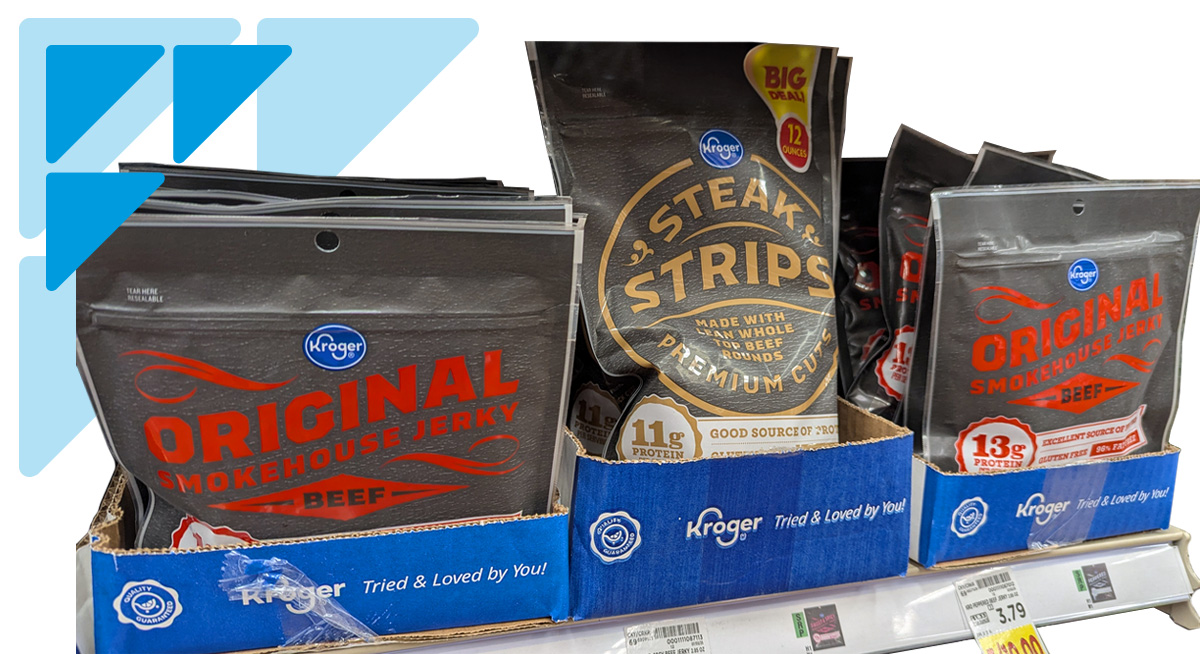
Gravity case packers are engineered for free-flowing bags. If you are packing bags of individually quick frozen (IQF) proteins, frozen fruits and vegetables, dry rice, beans, or sugar, a gravity case packer is often the superior choice. These products can handle the drop without damage, and the vibration helps the loose contents settle flat for a clean case seal.
Gantry-style case packers for pick and place versatility
While gravity systems are great for high-speed top loading, gantry-style case packers offer greater flexibility with various products and packaging formats. If your production demands require more than just a flat pack or if you are handling a variety of packaging formats beyond just pillow bags, our gantry case packing systems may be your best option.
How It Operates
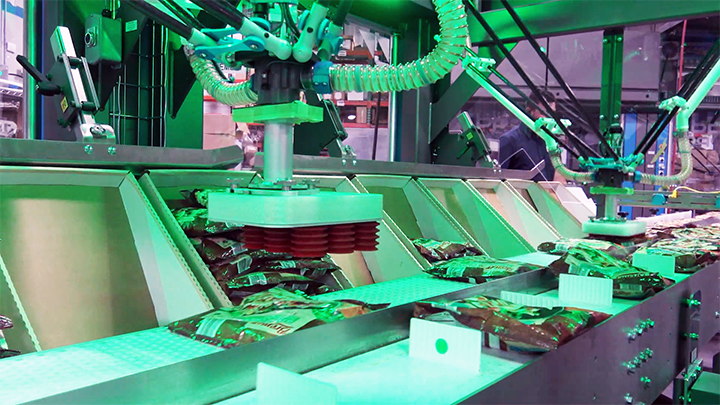
The gantry system utilizes a fully servo-driven robot that operates on an overhead bridge (or gantry). This allows for incredibly smooth, precise, and gentle placement of products. Unlike the gravity’s drop, a gantry-style case packer picks and places the product using a specialized end-effector.
Our Gantry series is available in three primary configurations based on your needs:
- Gantry 100 (Top Load): For standard horizontal packing.
- Gantry 200 (Side Load): For vertical or stand-up pack patterns.
- Gantry 300 (Swing): Our most versatile model, capable of both top and side loading on the same machine.
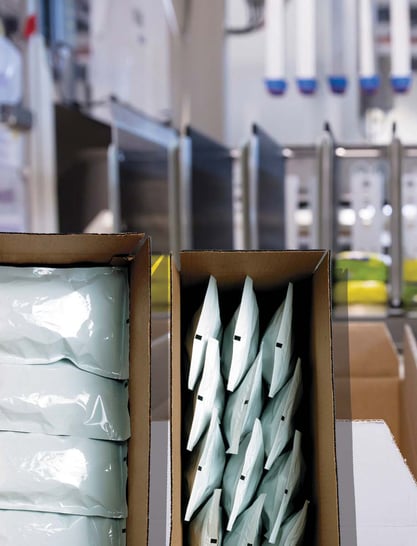
Depending on your pack pattern, a gantry can work in two ways:
- Horizontal Configuration: Product is collated, picked by the end-effector, and placed flat into the case.
- Vertical Configuration: The product is picked and placed into an intermediary cassette. Once the stack is complete, the case is tipped toward the cassette, and the entire group is side-loaded at once. This ensures the bags stand upright for better retail presentation.
Standout Features
- Format Flexibility: A gantry can handle bags, pouches, cartons, and even jugs, loading them into cases, trays, or totes.
- High Payload Capacity: One of the biggest advantages of a gantry is its strength. Gantry-style case packers can pick up heavier products, making them ideal for large bulk bags or heavy pouches.
- Club Store Ready: The Gantry 300 Swing is a perfect solution for loading large pouches into three-sided club store trays. Traditionally, this process is very labor-intensive and handled by hand in many plants.
.jpg?width=500&height=323&name=three-sided%20club%20store%20tray%20(1).jpg)
Comparing ROI between gravity and gantry-style case packers
When choosing between these two systems, plant managers often look at the initial capital expenditure. However, the true return on investment (ROI) is found in the daily operational costs.
Changeover Complexity
A major ROI factor that is often overlooked is changeover labor. A gravity system has no changeable parts. Changing from one pack pattern to another is largely an automatic process via the HMI, requiring almost zero time from your maintenance or operation team.
A gantry system, while highly flexible, requires physical change parts (end-effectors, belts, or cassettes) when moving between different SKUs or switching from horizontal to vertical packs. While BPA designs these for quick changeovers, those extra minutes can add up over multiple shifts.
Maintenance Requirements
The gravity system, with its simple design, is easy to maintain and inspect. The gantry system has more components, including the servo-driven robot, the specialized end-effectors, and the collation belts.
A gantry case packer will naturally require a more skilled operator and more frequent inspections, but keep in mind we offer aftermarket support and maintenance programs for all of our machines to help maximize their longevity and performance.
Which case packing system should a co-packer opt for?
For high-volume co-packers, the decision usually comes down to the diversity of your contracts.
Lean toward the Gantry if you are running many different SKUs, various case styles, and changing pack patterns (horizontal today, vertical tomorrow). The gantry’s ability to adapt to future contracts makes it a safer long-term investment for a flexible facility.
Lean toward the Gravity if you have a dedicated line running pillow bags into flat-horizontal patterns. If your product is consistent and your goal is maximum throughput in a tight space, a gravity case packer is the more cost-effective and efficient solution.
Partnering with BPA to find the best solution for your line
At BluePrint Automation, we understand how critical your secondary packaging line is to meeting throughput goals, and we work with you to identify the right solution to achieve them.
When you partner with BPA, we go beyond just looking at speed. We evaluate:
- Product Fit: How does your product behave? Does it need vibration to settle? Is it too fragile for a drop?
- Future Flexibility: What does your five-year plan look like? Are you moving toward retail-ready packaging?
- Floor Space: How can we integrate case erectors, sealers, and palletizers into your existing footprint?
Whether you need the simple, ruggedness of a gravity case packer or the heavy-duty flexibility of a gantry system, BPA is here to run the numbers, perform the tests, and prove the results before a single product is packed. Ready to see which system wins for your specific application? Reach out to our experts today.