



2026 Trends in Secondary Packaging
There are many exciting things happening in 2026 for the secondary packaging industry. As a whole, the industry is seeing a push toward sustainable packaging solutions driven by consumer demand and regulatory requirements. And food processors and co-packers/manufacturers are more interested in robotics than ever as they evaluate automation for secondary packaging to mitigate labor constraints, machine maintenance, and other pressures on their bottom line.
At BPA, we are helping our customers along the way with new machines and innovations that support their goals for 2026..
Things are moving fast, and to better understand what’s shaping decisions on the factory floor, we asked our industry experts to unpack what’s driving investment and automation this year. Topics discussed include the following:
- How retail ready packaging continues to expand and be found across several verticals
- Why manufacturers are choosing variety packs in recyclable cartons over bag-in-bag formats
- The impact of EPR regulations on packaging materials selected for secondary packaging
- How manufacturers have growing confidence in robotics for packing applications
- What businesses want for machine investment in 2026 and why TCO should be considered
Retail-Ready Packaging for Cheese and Other Verticals
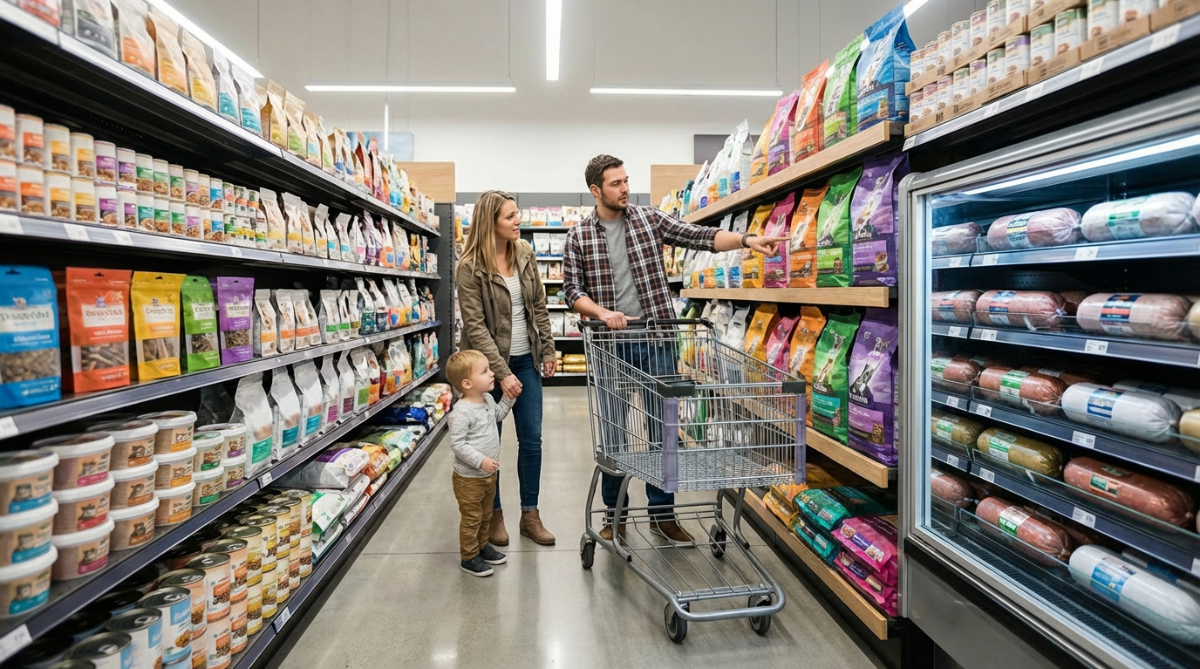
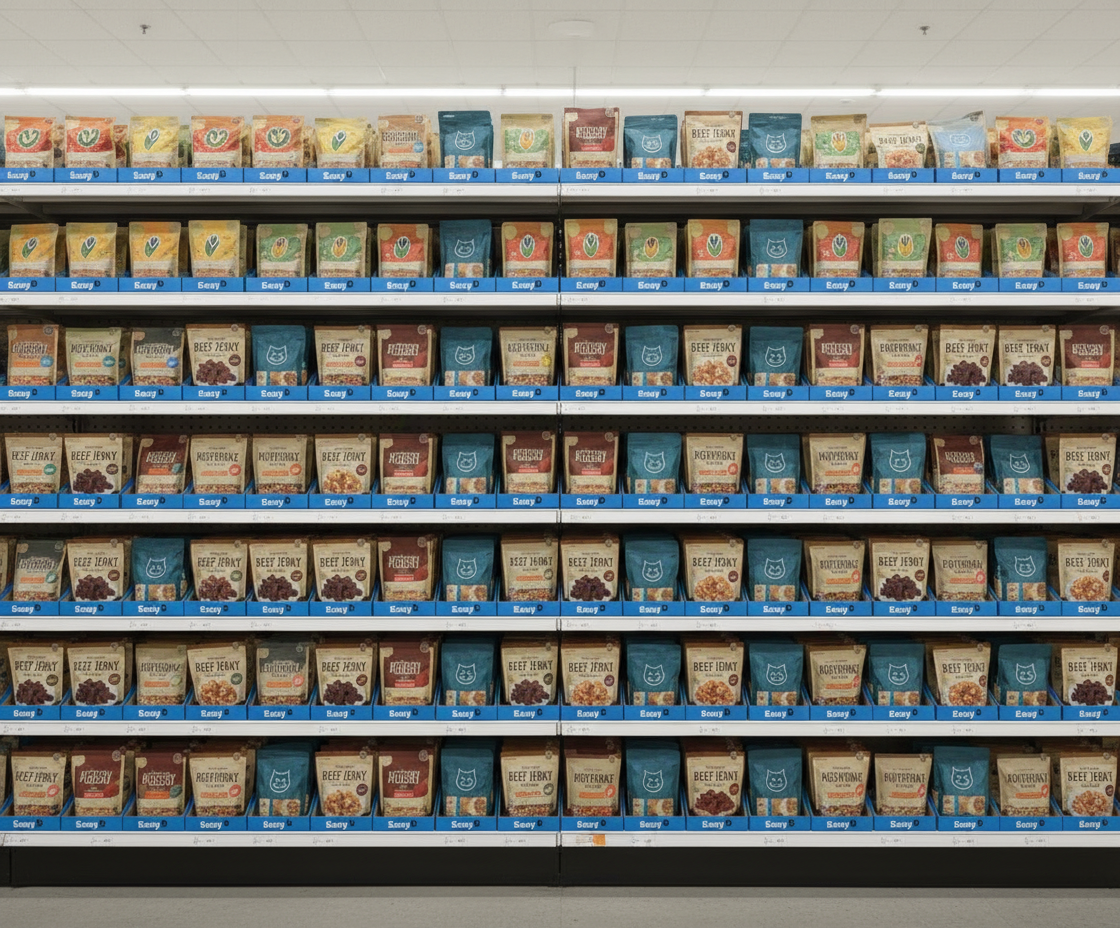
The grocery store aisle has a lot of competition for shelf space and consumer attention. Retail-ready packaging helps retailers sell and stock their products. Shredded cheese is one sector where we have seen retail-ready packaging shine, but the format can be applied to a wide variety of foods and snacks that require easy handling and maximum exposure.
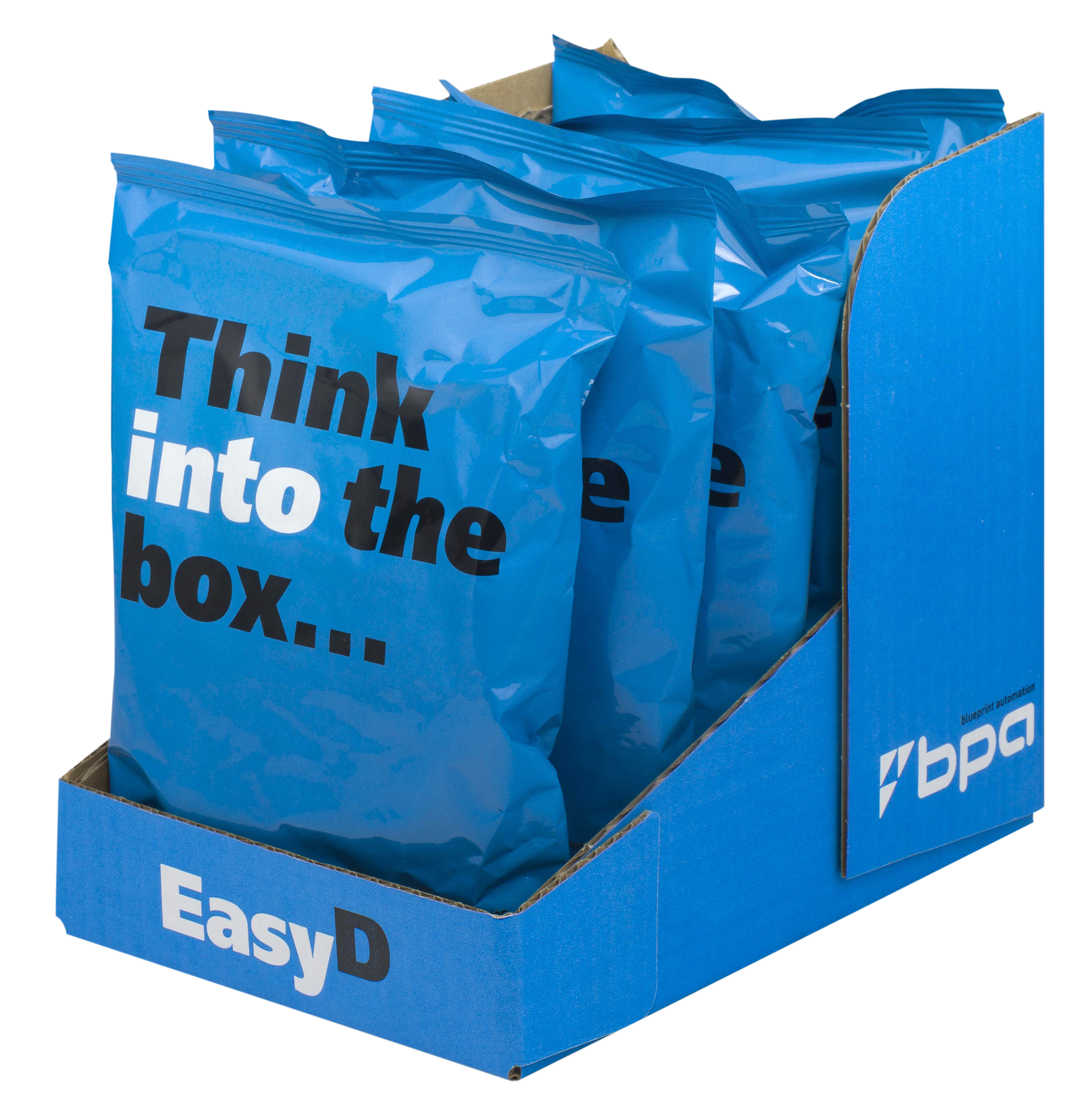
Retailers are looking for retail-ready presentations that offer clear branding, are easy to open, and improve the appearance of the shelf. They should also be sized to fit the requirements requested by the retailer and offer significant protection during transport to prevent waste.
At BPA, we listened to your requests and developed the Easy-D retail-ready case. The Easy-D uses a pre-cut front panel that wraps around the corners to give it a premium look on the shelf. It features a higher back wall, providing better support for flexible pouches or light containers. The Easy D’s wraparound design ensures easy loading and reduced packaging to keep your costs down.
Updates to Variety Pack Production for Snacks
Additionally, more manufacturing companies are abandoning secondary plastic bags for variety snacks. “Bag-in-bag” formats are being replaced by recyclable variety pack cartons, and these applications can be automated. New systems can utilize multi-feeder lines to drop specific flavor ratios into a single case, eliminating the need for manual collation.
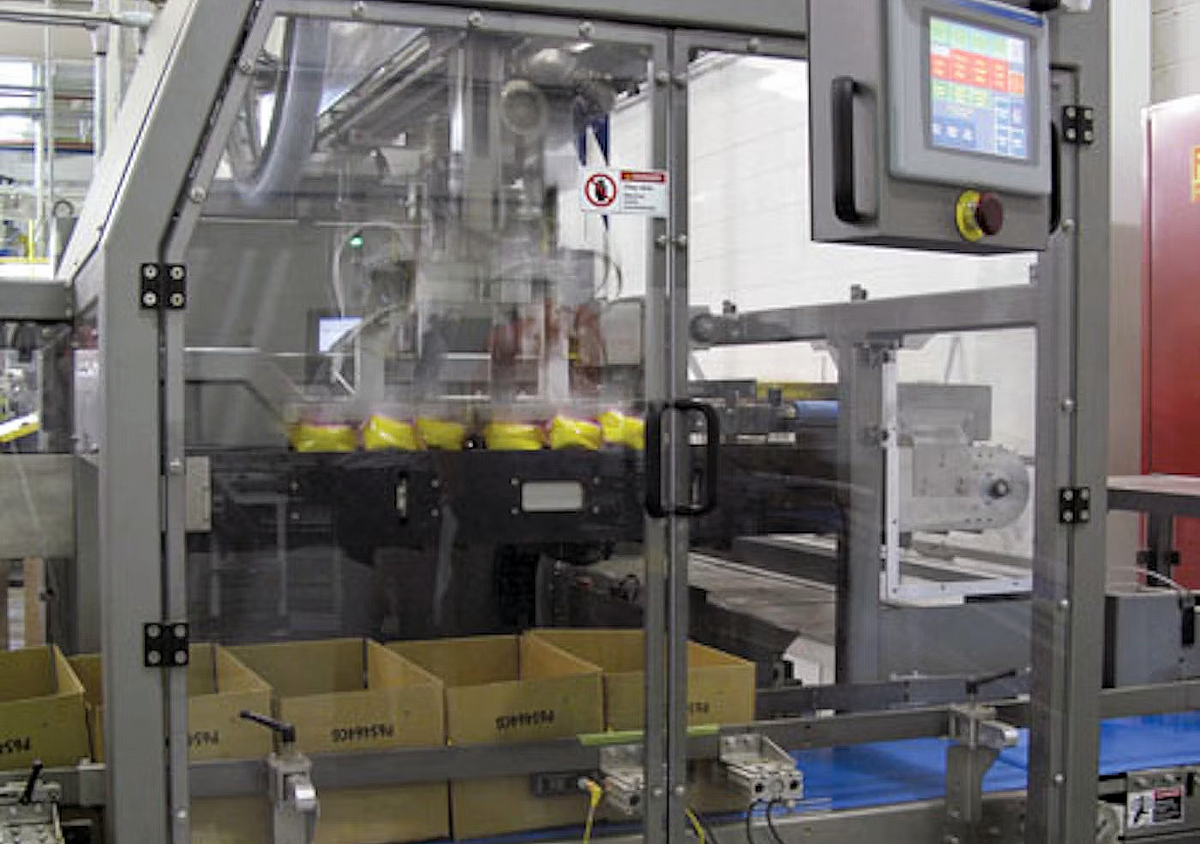
We have previously discussed various variety pack automation methods, including a drop chute system, robotics, and the traditional case packer. Here is an example of a three-flavor gravity variety pack case packing system that collates and drops bags of chips into the cases below.
Variety pack production requires secondary packaging systems to be flexible and fast. By adding automation, food producers and co-packers/manufacturers can eliminate labor-intensive manual packing to ensure perfect flavor counts every time. This helps meet customer demand while slashing costs and updating packaging to give producers a competitive edge in a crowded market.
More Regulation toward Sustainable Materials
One regulatory area drawing increased attention is Extended Producer Responsibility (EPR) legislation in California, Oregon, Colorado, and Maine. These laws impose strict reporting requirements on consumer packaged goods (CPG) companies, requiring them to track and report the precise weight of all plastic and corrugated packaging shipped into the state.
As a result, manufacturers may pursue new secondary packaging initiatives, including the following:
- Standardized pack formats and recipes: BPA case packers (Spider, Gantry, Wraparound, 100/200/300 platforms) run defined recipes for case styles, counts, and configurations, which makes it easier for your ERP to reliably associate each finished case with a known bill of materials and packaging weight for EPR reporting.
- Lightweight packaging: CPG companies may prioritize designs that reduce total material weight, to lower reported tonnage and associated fees. Overbuilt cases and excessive corrugated materials will become more expensive under EPR reporting models. Here, BPA can help. We specialize in wraparound cases for RSC and retail-ready applications for a tighter fit with less packaging materials.
Growing Interest in Robotics and Secondary Packaging Automation
Recently, our sales engineers have seen more interest in sophisticated robotics to enhance companies’ secondary packaging operations. Advancements in vision systems, end-of-arm tooling, and controls have also reduced the perceived risk of robotics, making them more approachable and easier to integrate than in the past.
That said, robotics are not the right fit for every operation. Some of our customers favor semi-automatic or traditional case packing systems due to lower upfront investment, simpler maintenance, and limited access to technical talent. For these operations, reliability and ease of support often outweigh the need for maximum flexibility.
Manufacturers tend to fall into three tiers when it comes to secondary packaging preferences:
- Traditional RSC Case Packing: Proven systems, like our gravity and gantry case packers, remain the standard for high-speed, single-product lines.
- Wraparound Case Packing: A middle ground for brands looking to reduce EPR-related packaging fees while improving material efficiency and enhancing shelf-ready presentation.
- Robotic Case Packing with Vision: Robotic systems with vision offer rapid changeovers and the flexibility required to handle complex SKU mixes and irregular products.
BPA offers solutions in all three tiers to support our customers’ needs. Our sales engineers can help you determine the best system to handle your production goals.
Enhanced Focus on Machine TCO with ROI
Operational strategy is frequently dictated by a strict 24-month rule for capital expenditures. However, evaluating automation solely through a two-year payback window often ignores the broader Total Cost of Ownership (TCO) over the equipment's entire lifecycle.
Beyond the initial sticker price, fiscal viability must account for long-term maintenance, energy efficiency, and the escalating costs of the human factor. With chronic labor shortages and shifting plant floor cultures, the cost of inaction often outweighs the amortized cost of the machine.
Manufacturing leaders must look past immediate ROI to see how automation stabilizes operational expenses over an extended period. Automation decisions based on TCO can lead to lifetime cost reductions of as much as 30%. Here are some of the ways ROI and TCO are impacting purchasing decisions for secondary packaging lines:
- Reliability Gaps: Many automation requests are now driven by labor scarcity rather than just speed. Decision-makers are prioritizing systems that eliminate the reliability gap caused by high turnover. The goal is to move product from the machine to the truck faster, reducing Work in Process (WIP) and accelerating the invoicing cycle.
- Worker Buy-In: The most advanced robotic cells can quickly become idle assets if the culture hasn't bought into the technology. Intentional faulting can even happen where workers sideline machinery in favor of familiar manual methods. Successful implementation depends on strong buy-in and ensuring operators are properly supported to run the machines.
- Total Cost of the Machine: While not an exact science nor a fixed cost, there are specific metrics your decision-makers will need to consider as they try to calculate TCO. These include the initial price of the machine, its expected lifetime, the maintenance and operational costs over five years, and the remaining value of the machine after five years.
- Preventative Maintenance Programs: To bridge the talent gap and reduce maintenance costs, the industry is moving toward “Service as an Extension.” Through Preventive Maintenance (PM) programs and robust service contracts, equipment providers assume technical ownership for facilities that struggle to maintain a consistent, trained internal team.
Wrapping Up
With more food producers and co-packers/manufacturers interested in robotics, retail-ready packaging, and other trends, you will need a partner who will help you find the best machine solution to enhance your secondary packaging operations. BPA offers advanced automation backed by industry expertise to narrow your search and ensure alignment with your needs and budget.
Stay tuned for future announcements about machine demonstrations at a trade show near you. For more information on our secondary packaging solutions for your sector or to request a line audit, contact us today. The possibilities for 2026 are endless.